
History – of nearly everything, progress & us
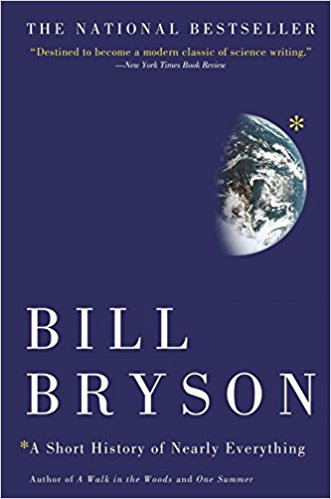
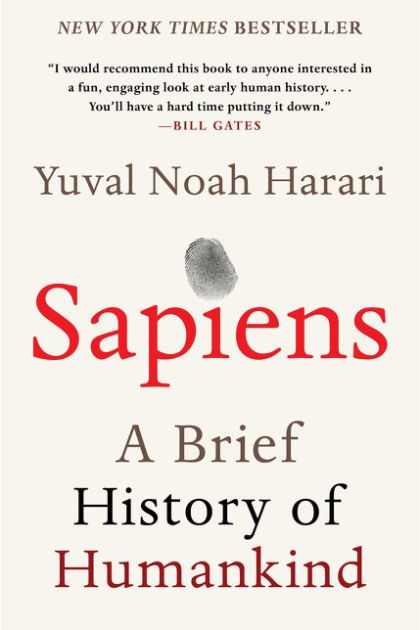

By understanding the past, you better understand where we are today and where we’ll go from here. Of course, history is incredibly vast and impossible to grasp completely with all the books in the world. However, there are three books I’d highly recommend to get the best value for time. First, The History of Nearly Everything by Bill Bryson has become a (justified) classic on the bookshelves. Mr Bryson succeeds in delivering a phenomenal birds-eye view of history as we know it. It’s a great starter for everyone trying to get a better understanding of everything around us. Second, another classic by now, Sapiens, by Yuval Noah Harari. Sapiens gives you a clear understanding of how we, as a species, came to be. It provides a great perspective of our origins and how short we have been around, compared to other species. Third, sadly not translated to English yet, ‘The History of Progress’; by Rutger Bregman. This book gives a clear understanding of human progress. Beyond evolution. It gives a clear understanding of how we create cultural progress, technology being a means to an end. Putting current progress in historical perspective makes for a clearer view of possibilities and decisions to make for the future.
Rational Optimist – Matt Ridley
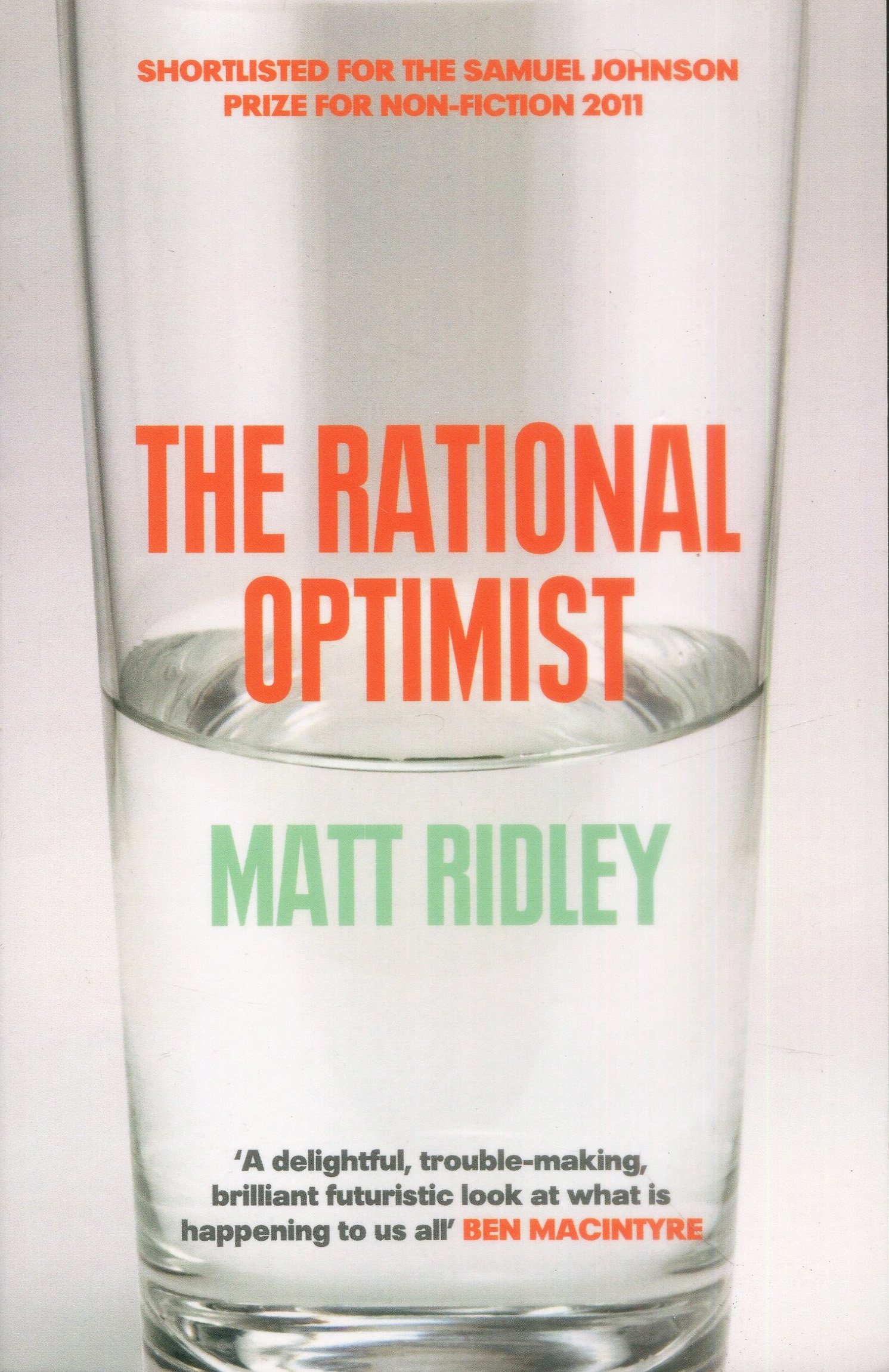
Most of us, wanted or unwanted, get most of our knowledge of the world from the news and people around us. The overwhelming majority are ‘bad’ things happening. It is easy to see how everything is becoming worse, how the world is coming to an end, how we are ruining everything and how our grandchildren will be worse off than us. The aptly named book, the Rational Optimist, takes a stance against your gut feeling and present clear arguments for why we will overcome the problems of today and potential disasters of the future. In this book, you’ll have to face the fact that we have more reason to be optimistic than to be pessimistic about human progress and our future, simply by looking at how we have handled obstacles in the past. Mr Ridley touches upon one of the most fundamental things that make us human, ingenuity and group problem-solving. By means of a series of current scenarios, he provides a much-needed voice for rational optimism.
How we Reason – Philip Johnson-Laird
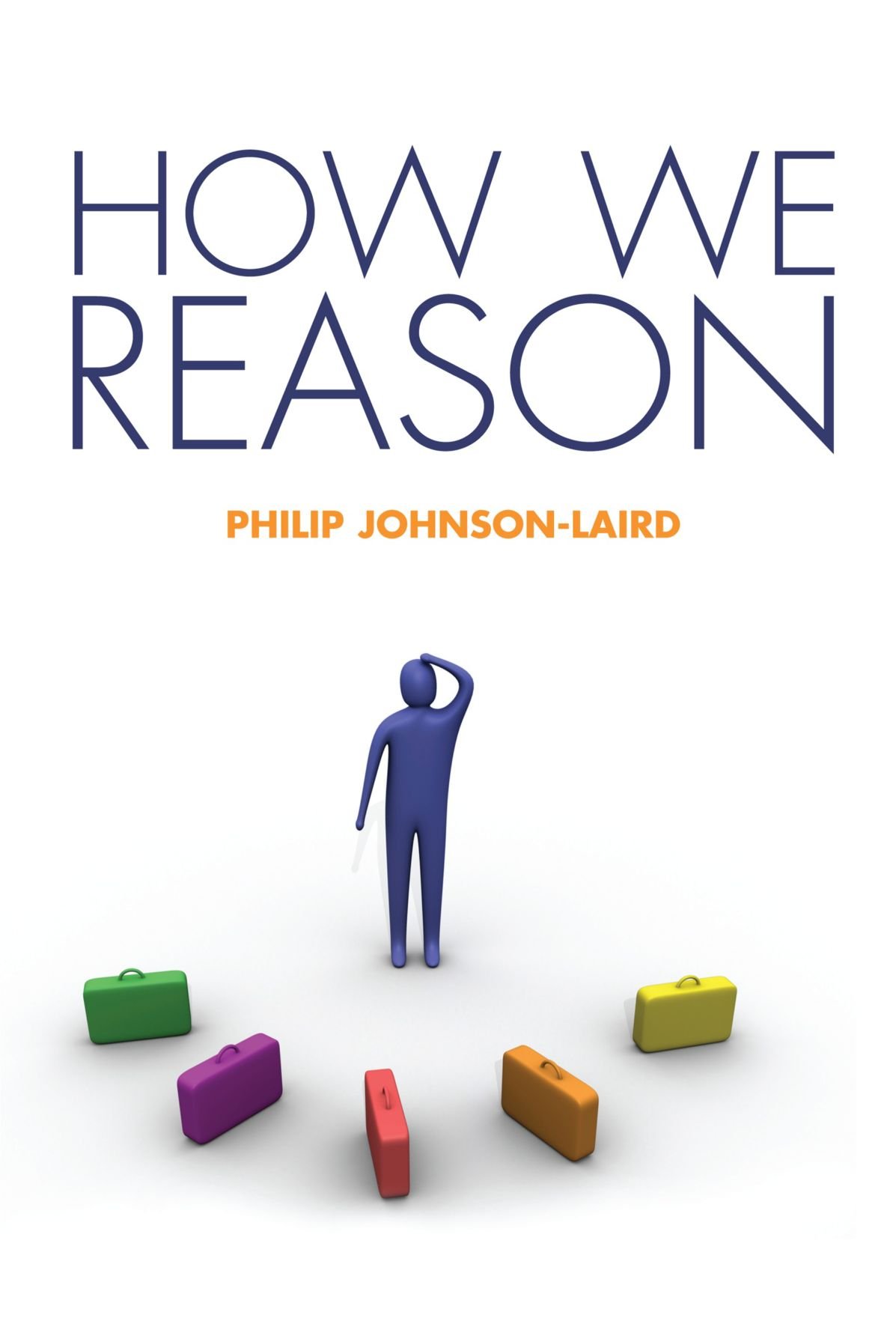
Get ready to distrust yourself, by trusting yourself. I am referring to your conscious self and your subconscious self. We have to face, that our conscious mind is like the RAM memory on your computer, whereas your Subconscious is your SSD storage. If you make decisions, wouldn’t you want to be able to access all of your available storage, and make the best decision based upon all information available? I know I do. Sadly, historically we have made little distinction between subconscious reasoning and ‘ Trusting your Gut’. In reality, they could not be more different. Understanding how we reason and how to access our best source for decision making in a scientific way is key to making good decisions over the course of your life. Without a doubt, this book has been very influential on the way I live my life, make decisions and chose my information input wisely. It’s written in a very scientific manner. To those of you not used to this, it might be rough at first, but nonetheless worth it. Johnson-Laird touches upon the very fundamentals of how we process information and how we should completely rethink the way we make decisions.
Surely you’re joking, Mr. Feynman – Richard Feynman
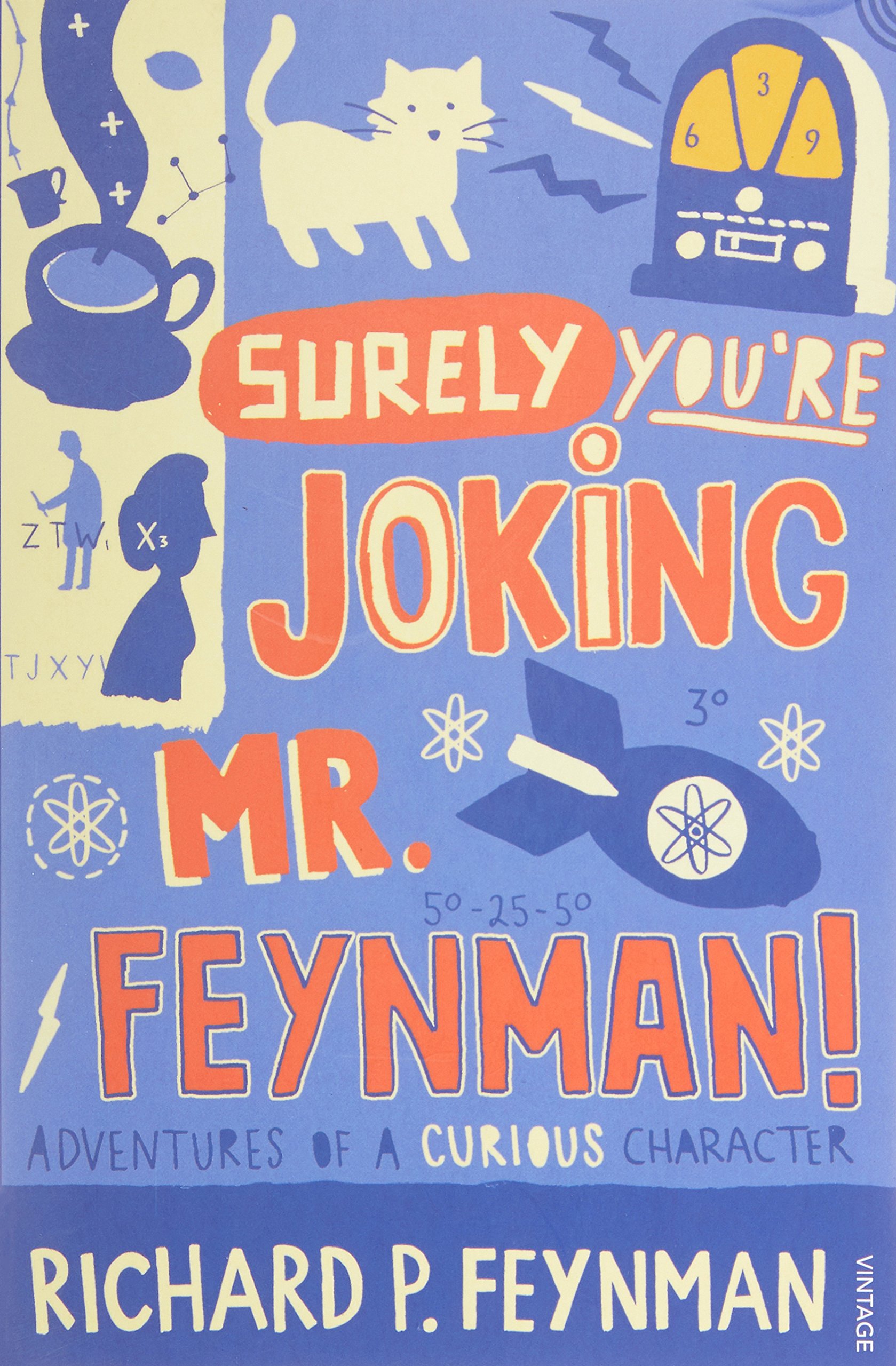
You can find a description of the grandeur of this man on the ‘Who inspire me’ page. This book gives you a sneak peek into the life lived by this extraordinary human being. It humanizes a person who clearly made an enormous contribution to human progress. In this book, you’ll read about the life of this scientist. How he found an element of ‘play’ into everything he did. It makes you appreciate how you can make tasks and entire fields of study which are dubbed ‘dull’, ‘sleep-inducing’ or simply too complex by many, be extraordinarily interesting and fun. Mr Feynman is a great example of how to live a rich life, full of contentment. Whether you are a scientist, a designer, an office worker or housewife/husband, you’d appreciate the intriguing way in which Mr Feynman meaning to his life, from the little things to his great epiphanies.
The Daily Stoic – Ryan Holiday
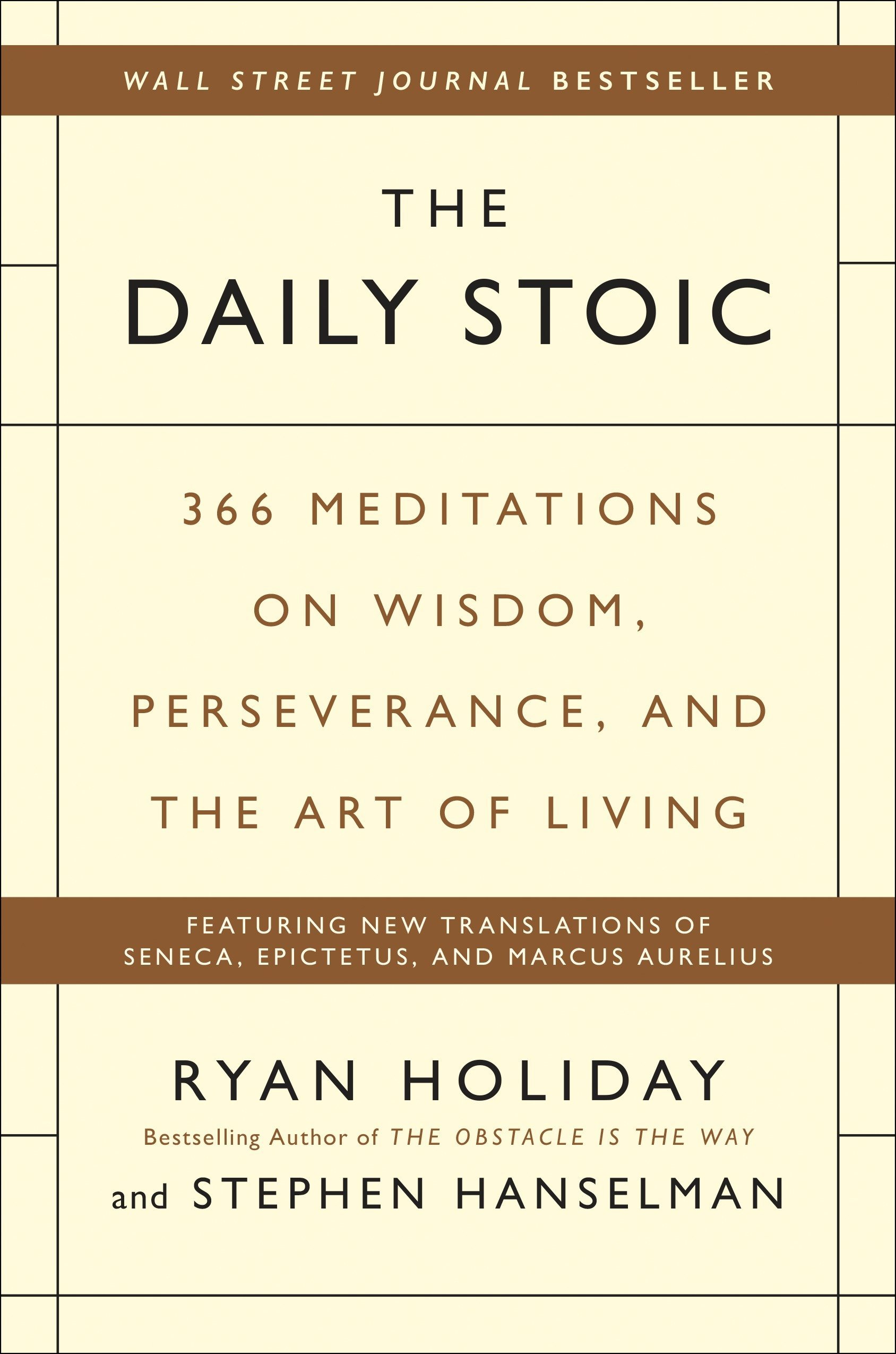
This book is a great collection of texts, quotes, writings and excerpts from the great of stoic philosophy. Whether you are new to stoicism, know something about it or are practising (parts of it) actively, like I do, you will surely be more informed to make good decisions in your life. The most important reason for me to recommend the book is because stoicism is more relevant now than ever. In an age in which you get thrown a (literally) endless amount of information at you, you need to be equipped to coop with ways this may affect you, your thoughts, and actions. Seneca, Marcus Aurelius and Epictetus are quoted and explained in a way you can directly implement in your daily life. The title ‘Daily Stoic’ is apt. I’d recommend reading no more than a few learnings on a single day, let them sink in, and try and practice them, before moving on to others described in this book.
Standard deviations – Gary Smith
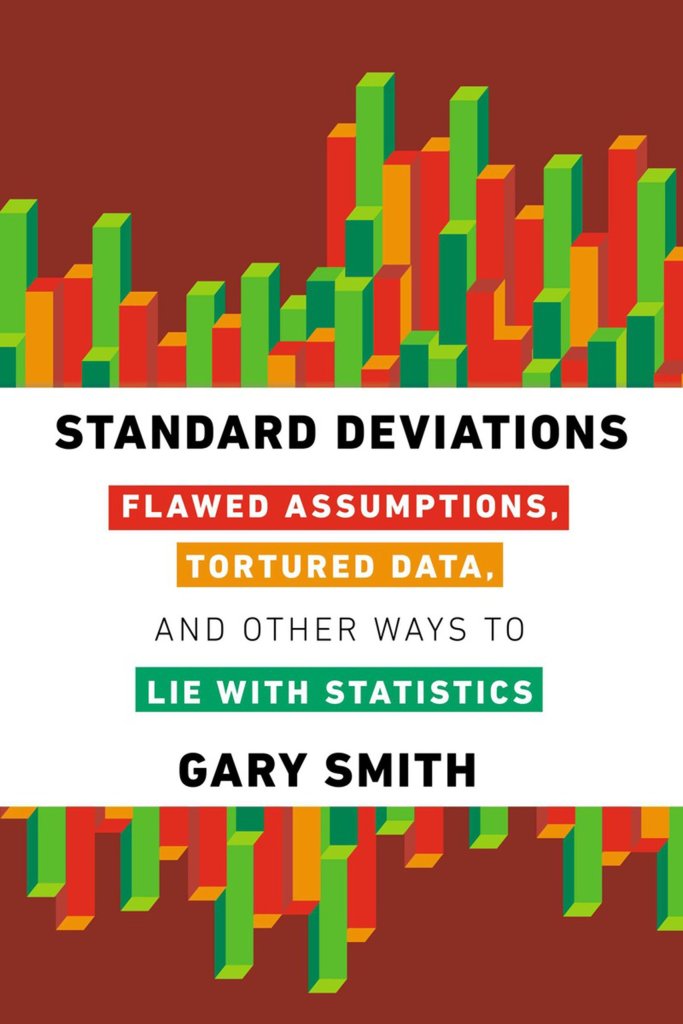
Whether you are ‘good’ or ‘bad’ with numbers, there is no denying that statistics influence the way you look at a topic and make important decisions. In his book, Mr Smith brilliantly makes statistics relatable to everyone and describes scenarios that will make you think twice, before taking statistics on face value. In order to make sense of the world, understanding how to read and question statistics has become crucial. Whether used in marketing, science, or everyday life, the ‘truth behind statistics’ often defies common sense. Understanding how to interpret statistics is a true life-skill and (sadly) does not come easy. It takes a higher level, energy intensive, cognitive processing, to analyze statistics. Hence, it does not come ‘natural’ to us. This book will make you understand the incredible value of being able to scrutinize the statistics thrown at you throughout your life.
Predictably Irrational – Dan Ariely
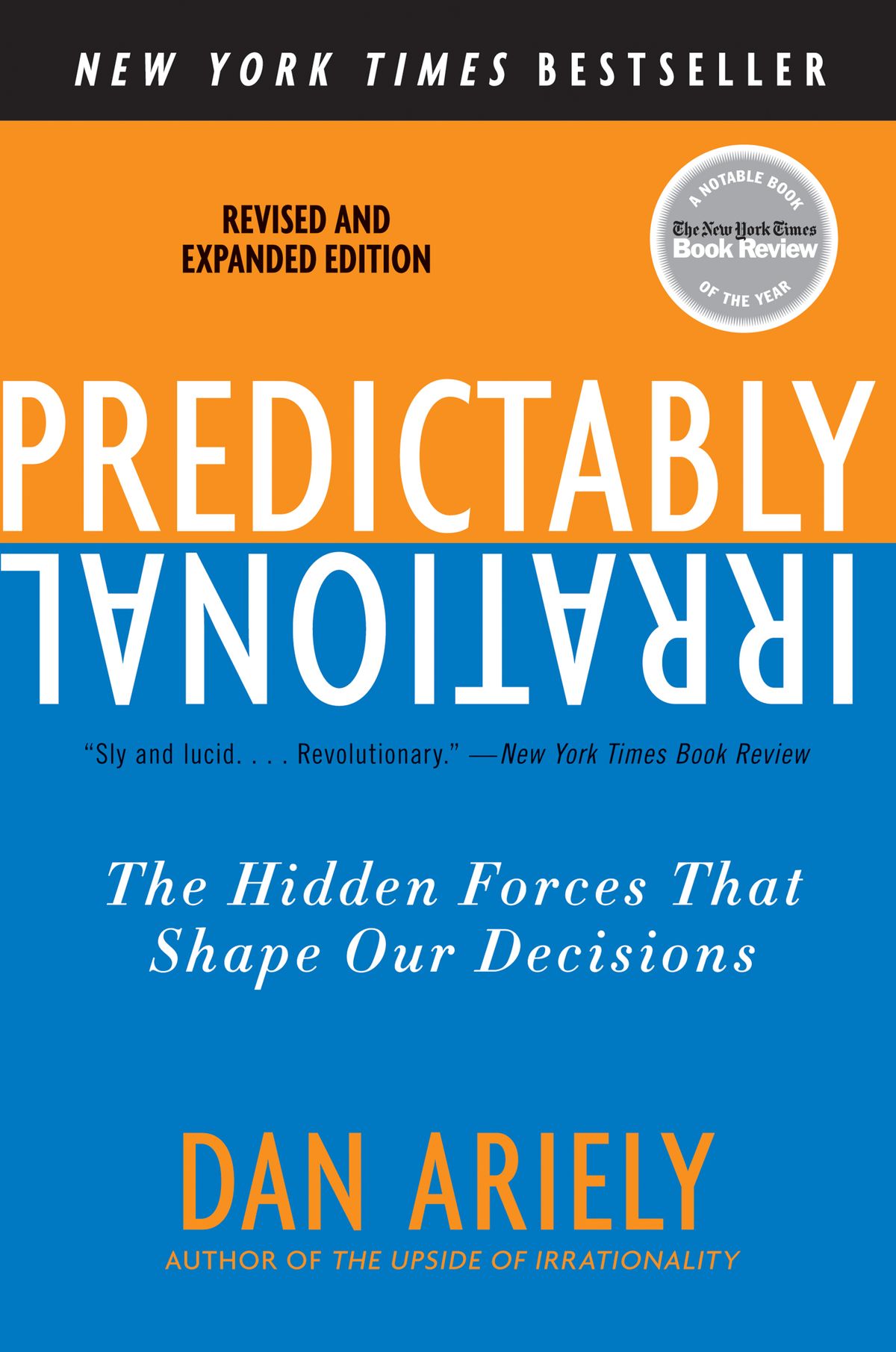
This book is the second one dedicated to decision making that I recommend in this list. We live our lives from decision to decision. As small as the decision to read the next sentence in this text to something as big as buying a new house, destination for your next holiday or moving to another city (or country). This first book I recommended touches upon the very foundations of the way we reason. This book is a more pragmatic one, focused on decision making. By means of very practical and relatable examples, Dan Ariely makes you understand your own biases, preconceptions and flaws in reasoning, and the way they influence your decisions on a daily basis. It is one thing to know that your decisions are irrational, it’s another thing to be able to point them out, yet another thing to spot a pattern and change the way you make decisions in the future. This book empowers you to be less guided by your preconceived notions and emotions, and make better, more satisfying decisions in the future.
 Bas van den Bergh